Public/Applied/ ‘Non-Academic’ (Ethno-)Musicology
Over the course of my career as a music scholar I’ve engaged with work that could fall under the categories of public/applied/’non-academic’ musicology. I use scare quotes around the term ‘non-academic’ because it implies that “academic” is the main career path, and the “non” implies some kind of shortcoming, but the term is so pervasive (although problematic) that it merits inclusion. I worked at Indiana University’s Latin American Music Center for six years and as program specialist for the Society for Ethnomusicology for a full year before starting my tenure-track position at the University of Miami. In these positions I applied the skills and knowledge gained through my doctoral studies in musicology/ethnomusicology in the service of programs and projects that expanded beyond the halls of academia.
This week at the Frost School of Music’s Department of Musicology Friday Forum we had a robust discussion on these topics. This blog post is meant to capture and disseminate some of the resources we covered in our forum meeting.
We first teased out the difference between these three terms: public/applied/’non-academic’.
I shared a list of possible career paths beyond being a university professor:
- Librarian
- Radio production, programming, hosting
- Write of music reviews, music critic
- Cultural non-profits
- Government positions (research and programming)
- Freelance writing and editing
- Depending on your skills: communications and marketing, web content manager/designer; data management/programming
- Editor for academic presses
- Museum curation, programming, acquisition, etc.
This was followed by an overview of a variety of resources that I share below. We ended with an extended conversation with one of our MM students, Greg Stepanich, who has had a long career in newspaper publishing as a writer and editor and who had tons of advice for the younger students (and the rest of us) on how to get started in writing for the public press.
Resources:
2/21 Edit: The ACLS has recently published a series of guidelines and resources: Preparing Publicly Engaged Scholars
Applied Ethnomusicology Section of the Society for Ethnomusicology
Voices of the Field: Pathways in Public Ethnomusicology edited by León F. García Corona and Kathleen Wiens (Oxford University Press, 2021)
The Routledge Companion to Applied Musicology edited By Chris Dromey (Routledge, 2023)
“Public Musicology…1939” by Carol Hess in Musicology Now
“The Perils of Public Musicology” by Bonnie Gordon in Musicology Now
“Reparative Public Musicology: Empowering and Centering Community Knowledge Production through Counter-Storytelling Practice” by Jasmine A. Henry in American Music Journal
“DOING PUBLIC MUSICOLOGY WITH DOUGLAS SHADLE” episode of the podcast Sound Expertise hosted by WIll Robin
SEM Public Ethnomusicology Mentoring Program
Columbus State University Public Musicology (Undergraduate Certificate)
Naples Center for Public Musicology
“On Yard Work, Public Musicology, and the Roots of Drastic Interpretation” by Guy Ramsey
Books and Podcasts on ‘How to Deal’
Posted on May 7, 2024 Leave a Comment
Over the last year I’ve found myself in conversations with graduate students and junior academics on how to navigate the job market and how to find ‘work-life balance.’ From the outside it may look like I have it figured out, while in reality I have and continue to struggle with juggling the various roles and duties I’ve come to inhabit (professor, mother, wife, friend, mentor, editor, advisor). In this post I share some tactics and resources that have helped me in the hopes that they might help someone else out there. Years before the pandemic I started individual therapy to deal with personal and professional challenges; the lesson: I wish I had started therapy in graduate school. Therapy is not for everyone and sometimes it takes trying out a few different therapists before finding someone you gel with. Please note that the resources I share here are not a substitute for professional psychological or psychiatric expertise, so please consult a professional if you experience severe anxiety, depression, and/or burnout. Also, I get no remuneration from sharing these resources (none of this is sponsored).
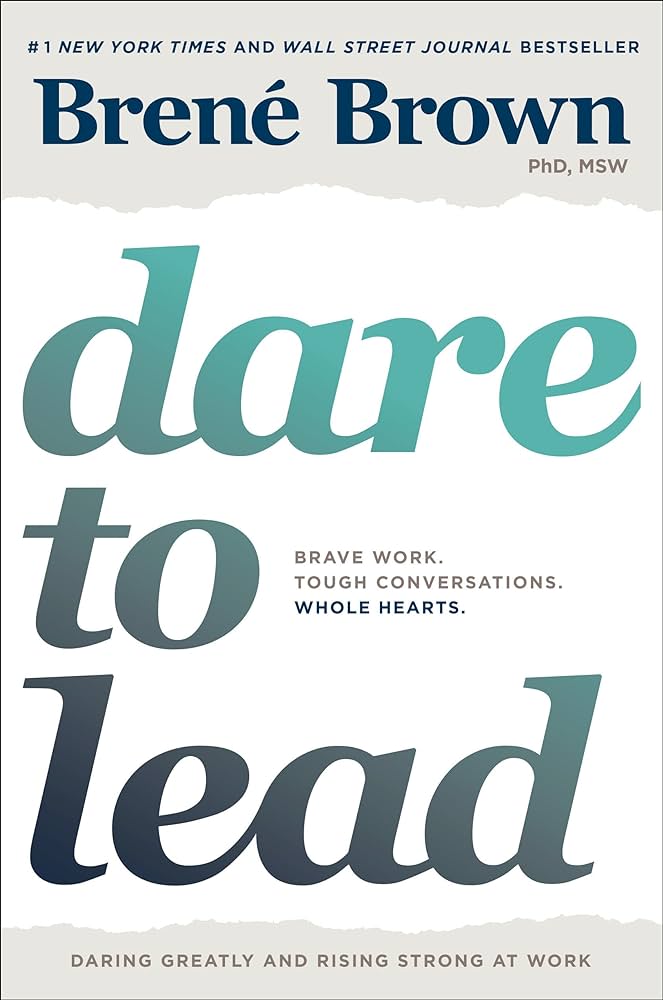
Anything by Brené Brown. Period. …Okay, I’ll be more specific. She has published several books and hosts two podcasts, Unlocking Us and Dare to Lead. From these podcasts I’ve learned about the work of other amazing thinkers and writers, I’ve purchased and read some their books and I share them below.
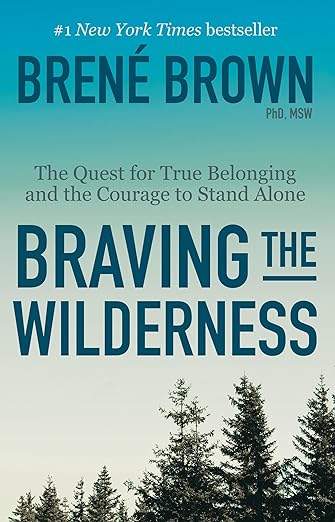
Braving the Wilderness
by Brené Brown
Dare to Lead: Brave Work. Tough Conversations. Whole Hearts.
by Brené Brown
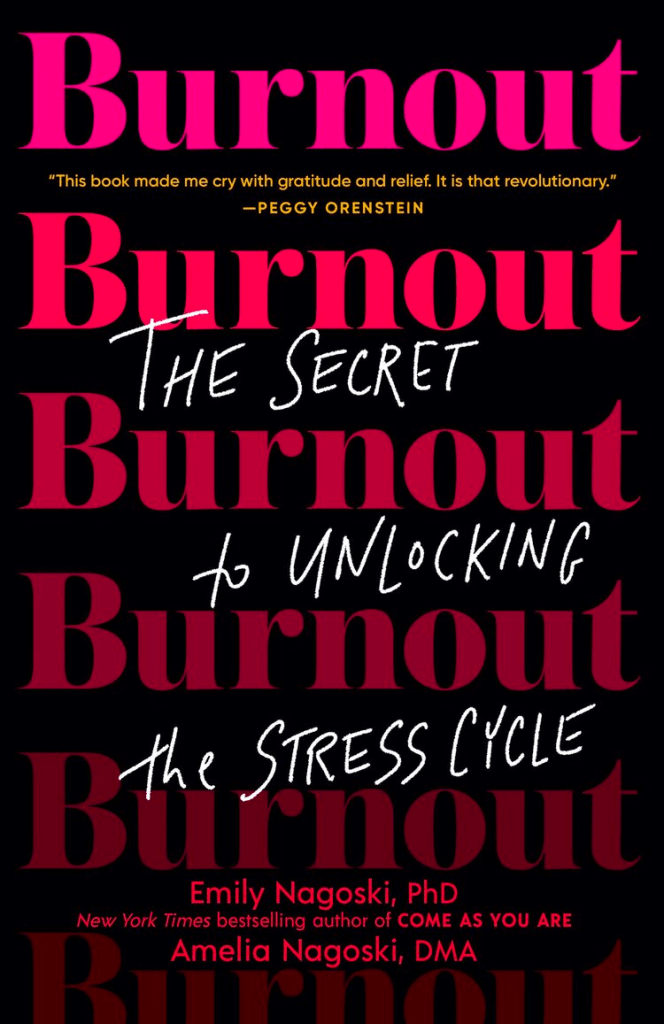
Burnout: The Secrete to Unlocking the Stress Cycle
By Emily and Amelia Nagoski
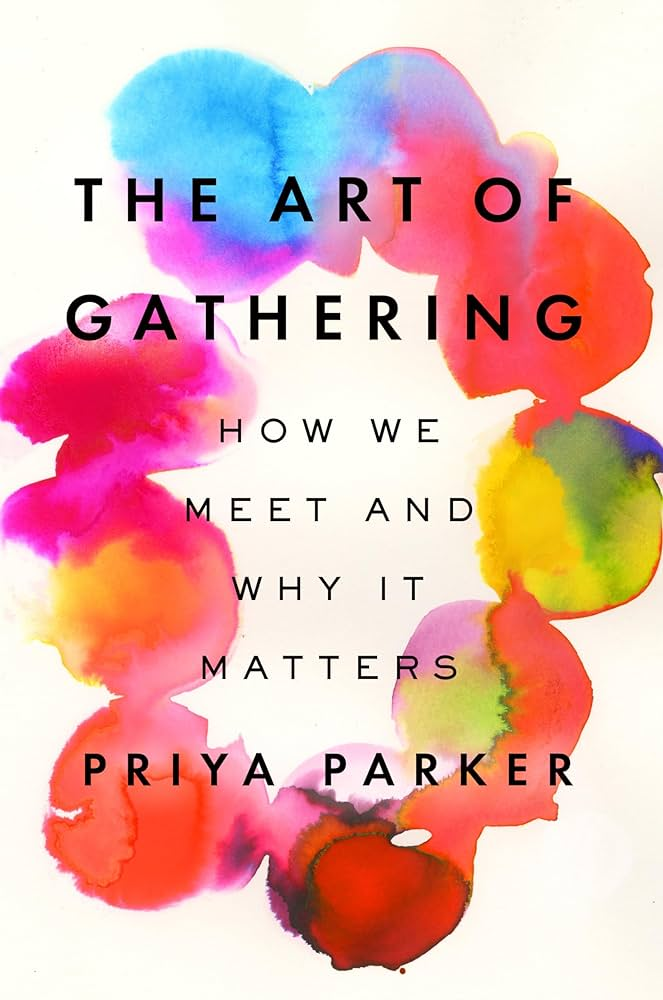
The Art of Gathering: How We Meet and Why it Matters
By Priya Parker
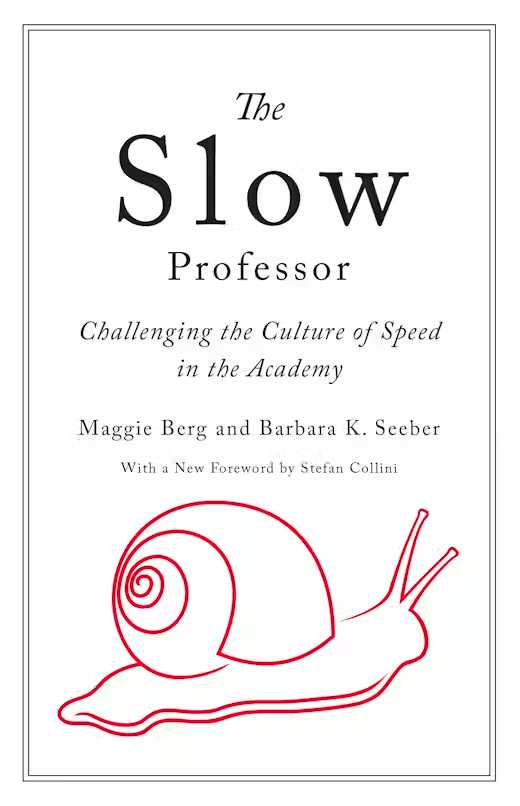
The Slow Professor: Challenging the Culture of Speed in the Academy
By Maggie Berg and Barbara K. Seeber
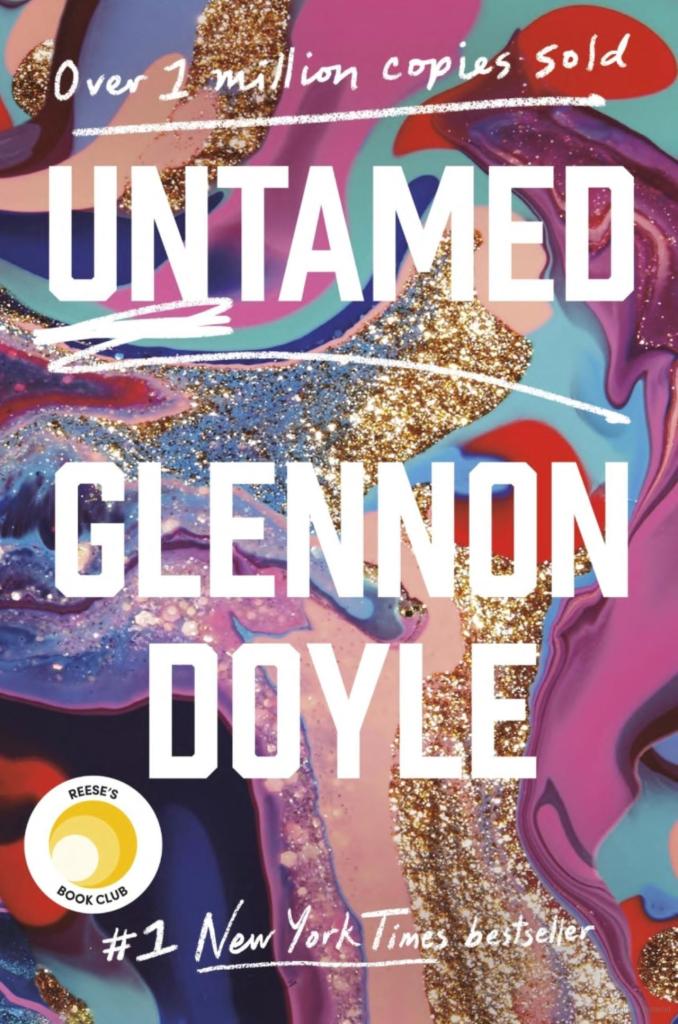
Untamed
by Glennon Doyle

The Upside of Stress
by Kelly McGonigal
Some Advice on Applying to Graduate Programs in Musicology/Ethnomusicology
Posted on May 26, 2023 Leave a Comment
Before you embark on this process, ask yourself if this is what you really want to pursue, and not just a delay tactic for avoiding “the real world” after graduating or because you don’t know what you want to do with your life ‘so might as well try out graduate school.’ I recommend you read Phil Ford’s “Come-To-Jesus Talk” blog post. Also, talk to the (ethno)musicology professors at your program, and with any friends who are pursuing a similar degree.
Materials you will need to submit your application:
- Letter of Intent/Personal Statement
- Two (or more) writing samples
- CV or Resume
- Three reference letters (ideally at least one is by a musicology/ethnomusicology professor)
- College transcripts
- GRE Scores (though some programs don’t require these)
- Some programs also ask for: Statement on Diversity, Equity, Inclusion and Anti-Racism
Timeline
Summer prior to applying:
- Work on your writing samples (more on this below) polish the writing and formatting
- Write Letter of intent/Personal Statement (more on this below)
- CV or Resume
- Make a list of programs you’re planning on applying to. You can explore the programs currently offered at various institutions throughout North America at the American Musicological Society’s and Society for Ethnomusicology’s websites’ Guide to Graduate Programs; talk with your musicology/ethno professors about the programs they recommend based on your interests. If there are articles or books you’ve read that are interesting, look up the authors and see if they teach at a university with a graduate program.
- Make a spreadsheet [like this one] to track: Schools/Program websites/Application Fees/Deadlines/Pros & Cons
Fall:
- Early fall: ask references if they are willing and able to write letters for you. Share with them the specifics about the programs that you’re applying to, such as: type of program, deadline, why you want to apply there specifically. Also share with them your personal statement so they can speak to your specific interests and strengths
- Mid-fall: gather all your application materials and send reminders to your letter writers with the list of schools and deadlines for submitting their letters
- If you have the funds: Attend AMS and/or SEM annual or chapter meetings: Prior to the meetings, reach out to faculty at the programs where you’re planning to apply and ask if you can meet them for coffee to talk about the program or meet them at their program’s reception. Most programs have a small reception on Friday or Saturday evening for faculty, students, alumni, and other friends. This is a great place to meet current students, get a sense of how people get along (are students and faculty mingling and interacting or are they keeping separate?), and ask current students how they like their program. The conference is also a great opportunity to attend presentations by current faculty and students and get a sense of their research areas and methods. This can help you decide whether or not you even want to apply to their program.
- If you identify as someone belonging to a historically underrepresented or marginalized group, there are travel funds to help cover the costs of attending the conferences, but the deadlines are much earlier in the spring! (usually May 31 for the AMS)
- Questions to ask current students and/or profs: what is the student-to-prof ratio? How many years does it take on average to finish their program? What do they do in their spare time at the town/city where the college is located? What is the structure of the program? Is there guaranteed funding for all students admitted into the program/or what kinds of funding (scholarships/fellowships) are available? What are the opportunities and expectations to gain teaching experience? What current research project excites you [the professor] right now? Are you [the professor] publishing a book or article soon? What are the language requirements? Are there entrance exams [in music theory, ear training, sight singing, music history]?
- December 1st: Deadline for application submission, some programs have an initial deadline for the personal statement, CV, and online application, and a later deadline (usually in January) for the rest of the materials (writing samples, transcripts, letters of recommendation). But if you can submit everything at once, even better.
Winter/Spring:
- January-March: What happens during this period varies a lot by program. Some programs make decisions solely based on the written materials, without ever meeting with or talking to applicants. Other programs make a long (or short) list of applicants they will interview, and how and when those interviews take place also varies. Some hold interviews over Zoom, others invite applicants to campus.
- March: Applicants are notified of their acceptance/rejection to programs and funding offers. Woohoo!
- March-April 15: if you didn’t get a chance to visit the university/city of your top programs that have accepted you, this is the time to do so. You can meet with faculty and current students, you can do this via Zoom if you can’t travel to the site, and ask all the questions you have about the program and living in that city so you can make an informed decision about which program you will be attending.
- April 15: This is a national deadline, all graduate applicants who have offers from programs must accept or decline the offers. Congratulations, you made it!
Preparing the Letter of Intent/Personal Statement
- Introduce yourself in a professional context: I’m currently a senior piano performance major at ‘xxx’ university.
- Why you want to pursue a graduate degree in musicology?
- How you came across the discipline, a specific class/project/professor?
- Describe the research projects you have completed or repertories you have studied that introduced you to/got you excited about the discipline
- What kinds of questions are you interested in pursuing through future research?
- Why do you want to attend that specific school (what’s special about that program, hint: professors love to read about how awesome their program is, but be specific about what’s special about that program, not a generic ‘your program is nationally recognized’)?
- Name the specific faculty in that program that you would look forward to working with and learning from and why
- Describe future plans, are you planning on pursuing an academic position as a professor, as a librarian, do you want to work in the culture non-profit sector, in publishing? What would you do upon completing the degree?
- Make sure an advisor reads your personal statement for grammar and tone, proof read, proof read, proof read
- You may ask a friend who has successfully applied to graduate programs to share their personal statement with you (they may say ‘no’), to get an idea of how to structure your letter
- Click here for more advice on how to write your personal statement for graduate school applications
Preparing Writing Samples
- Most programs ask for two
- These can be term papers for any music history, music rep/tradition course. 8-12 pages
- Use Chicago style for citations and formatting if applying to a musicology program. APA if applying to an ethno program. But if you already wrote your paper following one particular style, don’t sweat it, just make sure that whatever style you used is applied consistently
- Have a professor and someone at your university’s writing center read your writing samples and provide feedback on structure, argument, grammar, and formatting: proof read, proof read, proof read
- Make sure there is a clearly articulated thesis/argument, that it is clearly structured, and your writing is clear and effective
FAQs
- Am I expected to have teaching experience? No.
- I don’t have a BM, I went to a BA program, will that be a problem? It depends, some programs require a BM.
- I finished my BM/BA some years ago and I’m now ready to apply to graduate programs, will that hurt my application? Or, does taking time off between your undergrad and grad degree hurt your chances of getting into a grad program? No, and if you’ve been active/working, it might work to your advantage. Having real-life work experience (depending on what that work is) might be an asset when applying to graduate programs.
- I’m not sure if this is what I want to do for the rest of my life, but I want to try it out, what should I do? Apply to master’s programs and be upfront about it in your interview and even in your personal statement. Something to the effect of “I look forward to exploring this discipline at your institution in order to decide whether I want to make the longer commitment of later pursuing a PhD…” can go a long way.
Other Advice
- Don’t choose a program solely because you want to study ‘xyz’ and the leading expert on ‘xyz’ teaches there. Sometimes the expert is not the best advisor/mentor. Think more of the methodologies the professors there use, will they be able to advise you regardless of the topic you end up choosing for your thesis or dissertation? The ‘how’ (methodology) is often more important than the ‘what’ when looking at programs and potential advisors.
- Think of where you feel comfortable living. Geographic location, weather, cost of living, proximity to family or an international airport, diversity of the city/town population, should all factor into your decision when making the list of schools to which you will apply.
- Edit [suggested by Cesar Favila]: if you know the area/country/site of your future research (whether archival or ethnographic fieldwork) start acquiring the language(s) you will need to 1) be able to conduct research there and dialog with scholars and collaborators in that country and 2) pass your graduate language exams [most MM programs have 1 foreign language requirement and PhD programs have 2]. As my friend and colleague Cesar Favila pointed out, language proficiency acquisition can take a long time, and the more you can do prior to graduate school, the better.
- EDIT 5/7/2024: Zoom or In-Person Interview | Possible Questions:
- Why do you want to earn a master’s degree in musicology? What attracts you to our musicology program, in particular? How did you hear about us? How do your interests and goals relate to those of our department and/or the XYZ School of Music?
- What is “musicology” to you? What type and level of engagement, if any, have you had with musicology or related fields (e.g., coursework, reading, research, conferences, etc.)?
- Tell us about some of the research ideas and issues that fascinate you. What are you intellectually curious about? Are there any specific research methods that you prefer? What potential thesis topics might you consider?
- What, in your view, are the characteristics of a supportive academic environment? What qualities do you look for in an advisor or mentor? And what would you say constitutes a healthy advisor-advisee relationship?
- What are your greatest strengths as a student? In what area(s) do you hope to improve?
- What aspects of your background have shaped the way you see the world? Who are your role models? What inspires you to be successful, and how do you define “success.”?
- How have your life experiences prepared you for the next phase of your educational journey? Can you give us an example of a challenge you have faced or obstacle you have overcome? What have you learned from your adversities? From your achievements?
- What are your short- and long-term goals? Where do you see yourself in ten years?
- What are some of your “non-academic” interests? Hobbies? Extra-curricular activities? What does “having fun” look (or sound) like?
- What questions do you have for us?
Black Lives Matter, COVID, and Diversifying Music History
Posted on June 29, 2020
Over the past month, since I published my first post on this platform, the Black Lives Matter movement has reignited the fight for racial equity and justice in the United States and across the world. Unfortunately, the events that led to this reawakening have been the tragic deaths of black individuals at the hands of the state’s law enforcement officers. The calls for acknowledgement of the systemic racism BIPOC face and actual change in policies to dismantle and counteract this system have poured out of and into every facet of our lives, including music academia. Our brilliant colleague, Danielle Brown penned a powerful and incisive open letter to the Society for Ethnomusicology in particular and the discipline in general. This ignited an ongoing heated debate in the SEM’s listserv. Music scholars and students across the country are coming forward with their stories of lived discrimination within music academia. Not unlike the calls for dismantling or defunding police departments, the criticisms and anecdotes of students and faculty of color to the academic music establishment are not a call for reform, but rather a call to question the system in its entirety.
I have been personally processing the call for change from a very individual perspective, and as half-formed as the thoughts, concerns, and ideas I share here are, my only aim is to add one more perspective to this conversation. I’m limiting this post to one particular aspect, diversity in the music history surveys; I am extremely aware that racial discrimination pervades music academia and classical music in countless forms, and I would never pretend to or attempt to address them all in this forum.
I preface my thoughts and suggestions by stating that I was raised within the Western European Art Music tradition. Based on my country of birth, Puerto Rico, it seems that many white music scholars and performers assume that I would be an expert or knowledgeable in folk and popular music traditions from Puerto Rico and Latin America. I grew up listening to this music and singing it mostly during Christmas time, but as a musician, I was raised on Bach, Mozart, Beethoven, Vivaldi, Haydn, etc., with some 19th-century Puerto Rican danzas thrown in for good measure. I did not study the classical nor the folk traditions of Latin America until I was pursuing a PhD in musicology at Indiana University, and working at its Latin American Music Center. Like all musicologists who do research on and teach music that falls outside the canon, I have had to first master my knowledge of the canon to then relate the music of these “other” composers to it. For someone who was “raised” within this tradition, the idea that being an ethnic minority excludes me from properly belonging to this tradition was painful and shocking, but it was also a moment of confronting the colonial processes and situation that led to the imposition of classical music as superior to other musics within the context of a neocolonial society in the Caribbean. I am “othered” many times over: as a woman, as a second-class US citizen, as a classical music native who is not considered as such in the world of US music academia. I am and will always be in a constant process of decolonizing my self from a musical upbringing that taught me Pierre Boulez but not Rafael Aponte Ledée. I am also aware that I write this from the extremely privileged position of a tenure track appointment.
The canon sits at the center, everything else revolves around it. There have been calls to “diversify” the canon, which is kind of an oxymoron, no? Having a musical canon implies exclusivity; some composers and works become codified as necessary for a “full” education or knowledge of the tradition, while others do not. The existence of a canon implies social, political, and economic power and control. When someone asks, with the best of intentions, “how will we diversify the canon?,” in turn, I ask why do we want to diversify the canon?
Recently, I wrote the following response when a group of colleagues was posed the question of how would we diversify music history courses: “I would caution against merely listing composers and performers we will ‘include’ in our WEAM (Western European Art Music) music courses. Black and non-white individuals and their music have been ignored or omitted from concert programming and music history surveys for historical reasons, and just adding them to the listening list is not sufficient, it is mere tokenism. What I like to do in class is to question the very structures that have led to the marginalization of non-whites (Others). What are the social and political and economic systems that lead to the formation of a canon of mostly Germanic male composers? Classical music is the music of a white patriarchal Christian system, and including black, women, and non-white composers as part of the surveys and saying ‘hey, these individuals also wrote classical music’ is mere tokenizing. Even in the graduate course Music of the Baroque this spring, I introduced Latin American colonial music as part of the European colonizing project that decimated indigenous peoples and trafficked African slaves to the new world, music served as a tool for religious conversion and the imposition of European power and dominance in the New World. We continue to teach WEAM because it is expected; but the more we can teach other traditions that are non-WEAM, and make sure students understand the conditions under which the WEAM tradition developed, then the better we can prepare them to continue their own exploration of musics and traditions by non-white folks.” (I used “folks” for gender inclusivity, not to single out non-white individuals as “folk.”)
I am certainly not the first to wage this criticism against the calls for diversifying the music history surveys, as Alejandro L. Madrid has so eloquently written here. [Edit 6/30/2020: A friend and colleague reminded me of Leonora Saavedra’s writings on a related topic, which pre-date Madrid’s. You can find one of them here. Edit 4/2/2021: Saavedra shares her experience of teaching a course where she combines the history of Western music with a survey of Mexican music history, and the challenges we face when teaching such a course because the “Spanish-American composers and scholars have internalized hegemonic discourse to such a degree that there are contradictions between what they do and what they write, between what they do and think ought to be done, and-most importantly-between the many directions that individual composers, styles and even single pieces may take.” In the end, she concludes “integrating Hispanic music into theWestern curriculum means integrating the music of peripheral cultures into the discourse of hegemonic cultures and we need to address it as such. Otherwise our efforts will result in a token, politically correct multiculturalism that will not explain why things happened the way they happened and why we speak about them the way we do.” Madrid, however, opens his piece by asking “Do we need more Ibero-American music in the music history sequence we teach at our institutions?…my answer to that question was (and is) ‘No, we do not need more Ibero-American music in the music history sequence.’…the canon has a political reason to exist in the form it does, and arguing for its expansion could only mean two things: the trivialization of the canonic fantasy by belittling the reason why it exists in the first place or the use and re-evaluation of the marginal musics used to expand it in order to reproduce the values and ideologies that control the shaping and re-shaping of that canonic fantasy,” challenging the very notions and impetus that inform such projects of diversifying music history surveys.]
If the goal of a university degree is to expand students’ worldview and provide them with the tools and skills they will need to thrive outside of the academic environment, then how is it responsible to only teach students the canon, especially in the times of a global economic crisis brought on by a global pandemic? We do not know what concert culture will look like in the future, we do not know if symphony orchestras and opera companies will go back to business as usual. If we think of this situation in Darwinian terms, as a rapidly changing ecosystem, only those who are quickest to adapt to (or even create) the ‘new normal’ will succeed in having a meaningful career. In a way, the trickling of the Black Lives Matter movement to music academia also presents us with a great opportunity. If we want to cultivate curious and adaptable musicians, wouldn’t introducing them to new repertory (and the historical context in which it was created) push students to develop better skills to adapt to the unknown? How are musicians supposed to cut through the noise of online/virtual recitals, recordings, concerts, if everyone is playing the same repertory? Wouldn’t it be more compelling and exciting for a young performer to become the expert of an until now relatively unknown composer or group of composers. Take for example Patricia Caicedo (who has built her career as an expert of Latin American art song repertory), the Catalyst Quartet (sponsored by the Sphinx organization, they specialize in music by African American and Latin American composers), or Daniel Inamorato (a virtuosic Brazilian pianist who specializes on Latin American works and who as a pedagogue is deeply invested in developing methods for teaching neurologically diverse students). And wouldn’t it be reassuring to students to examine and study the music and career paths of lesser-known figures, which in turn could serve as alternative models for how to flourish in the music world? In other words, hearing and seeing stories of how individuals from a variety of racial, gender, ethnic, and national backgrounds navigated their careers opens up students to new possibilities for what success means and looks like, and this would also have innumerable benefits for the mental wellbeing of our students.
I stand with my colleagues in their call to diversify music academia, but rather than jumping to the call to diversify the canon (as I say above, it is the product of a historical process that needs to be taught as that, a historical process), we should diversify music repertory (this starts in the private studios and major ensembles) and diversify the music history and culture offerings at the curricular level so that those “other” musics and composers are treated with enough attention and respect (that means expanded listening and reading time), rather than a passing mention or footnote that tokenizes them within the canon.
Music Research in the times of COVID-19
Posted on May 26, 2020
Since the pandemic hit, researchers all over the world have been forced to reevaluate their research and publication agendas. There are numerous articles on how to continue or adjust your research plans in light of restricted travel and closures of research facilities, which for the humanities entails mostly archives and libraries. Since guiding students through the end of the Spring semester, serving as the chair of a doctoral committee, and continuing to advise graduate students in musicology and performance at the Frost School of Music, and after having several virtual conversations with colleagues near and far, I realized that it might be useful to collect much of the information that has been circulating in various platforms in one place.
In this post, I share some of the most useful research resources I’ve been consulting while in quarantine. These links are specific to my area of interest, which is music and culture in the Caribbean, particularly Cuba. When possible, I have included open access databases and repositories. I do not intend for this list to be exhaustive, nor do I offer practical advice on how to conduct research online. My objective for this post is to provide a repository of links to helpful resources.
Online Repositories and Databases
“When You Can’t Send Students to the Campus Library” has links to several useful databases and repositories
HathiTrust has millions of digitized items, including full-text sources.
Digital Library of the Caribbean has searchable PDFs and images of archival materials originally published in the Caribbean, including periodicals
University of Miami’s Cuban Heritage Collection’s Digital Collection
LILLAS Beson Digital Collections from UT Austin
University of New Mexico, Latin American Collections, Digital Collection
Latin American Open Archives Portal
Princeton University’s Listing of Digital Archives and Resources from Latin American, Spain, and Portugal
Center for Research Libraries Latin American Materials Project (LAMP)
Tulane University’s Latin American Library Digital Collections
University of Pittsburgh’s Latin American Resources Digital Libraries
UC San Diego, List of Primary-Source-Rich Collections of Latin America
Cornell University’s Latin America and the Caribbean: Digital Collections
Library Latin American & Caribbean Resources at Yale Library: Digital Archives
Florida State University, Digital Libraries and Special Collections, Latin American Studies
Florida International University, Latin American & Caribbean Study Guide Digital Collection
UT’s Latin American Network Information Center
University of Maryland’s Latin American Studies Online Resources Guide
Ethnographic Research
For many musicologists and ethnomusicologists, in person ethnographic fieldwork seems now impossible, and many have shifted their methods and sites of research to virtual platforms. In this regard, members of the Society for Ethnomusicology shared relevant sources through the Society’s discussion email list in the initial weeks of the pandemic. I compile the list of suggestions below:
Cooley, Timothy J. et al. (2008): “Virtual Fieldwork. Three Case Studies.” In: Gregory F. Barz und Timothy J. Cooley (eds.): Shadows in the Field. New Perspectives for Fieldwork in Ethnomusicology, 90–107
Wood, Abigail. 2008. “E-Fieldwork: A Paradigm for the 21st century?” The New (Ethno)musicologies, edited by Henry Stobart. Scarecrow press, 170-187
SEM StudentNews, special issue on Digital Ethno Musicologies and Online Bodies: Education and Social Media. Student Concerns Committee of the Society for Ethnomusicology. Volume 6 spring/summer 2013.
Kate Alexander, “Virtually Real: Reconstructing and Remembering the 1970s LA Punk Scene Online” (Kathryn Alexander, 2011, UC Riverside)
Hybrid Ethnography: Online, Offline, and In Between will be published by SAGE shortly
Wendy F. Hsu “Digital Ethnography Toward Augmented Empiricism: A New Methodological Framework,” Journal of Digital Humanities vol. 3, no. 2014 (Spring 2014)
Deborah Lupton’s recent webinar slides are also available on her blog. Doing Fieldwork in a Pandemic [this one is a particularly thorough guide for researchers in the social sciences, I highly recommend it]
Digital Ethnography: Principles and Practice, ed. Sarah Pink et. al. (2016)
The Routledge Companion to Digital Ethnography, ed. Larissa Hjorth et. al. (2016)
Monique Ingalls, Singing the Congregation: How Contemporary Worship Music Forms Evangelical Community
Daughtry, J. Martin, “Russia’s New Anthem and the Negotiation of National Identity” Ethnomusicology 47, No. 1 (Winter, 2003): 42-67
Ethnography and Virtual Worlds: A Handbook of Method by Tom Boellstorff, Bonnie Nardi, Celia Pearce, and T.L. Taylor
Theory and Method in Historical Ethnomusicology (edited by Jonathan McCollum and David G. Herbert)
Kiri Miller’s Playable Bodies (2017) and Playing Along (2012)
Trevor Harvey’s article “Virtual Worlds: An Ethnomusicological Perspective” in the Oxford Handbook of Virtuality
Autoethnography:
Christopher Hale, “Are Western Christian Bhajans “Reverse” Mission Music?” in The Oxford Handbook of Music and World Christianities (edited by Suzel Ana Reily and Jonathan M. Dueck)
Jungwon Kim, “K- Popping: Korean Women, K-Pop, and Fandom,” UC Riverside
US National Institutes of Health guidance on how to modify existing studies
There are also technical considerations when conducting ethnographic fieldwork virtually. There are several applications and software programs that allow ethnographers to record phones calls and video calls. Selecting an app will depend on your hardware and the OS that runs it. A quick online search should generate listicles that review the various apps that are currently available. [Edit/Update]: Just today, the Library of Congress’s Blog, Folklife Today, published a relevant post “Remote Fieldwork: tech considerations.” The Blog also has several recently published articles on conducting fieldwork remotely.
I hope you find some of the resources listed here helpful. If you would like to add resources to this growing list, please do not hesitate to send your suggestions via the comments function. Good luck in all your research and publication endeavors!
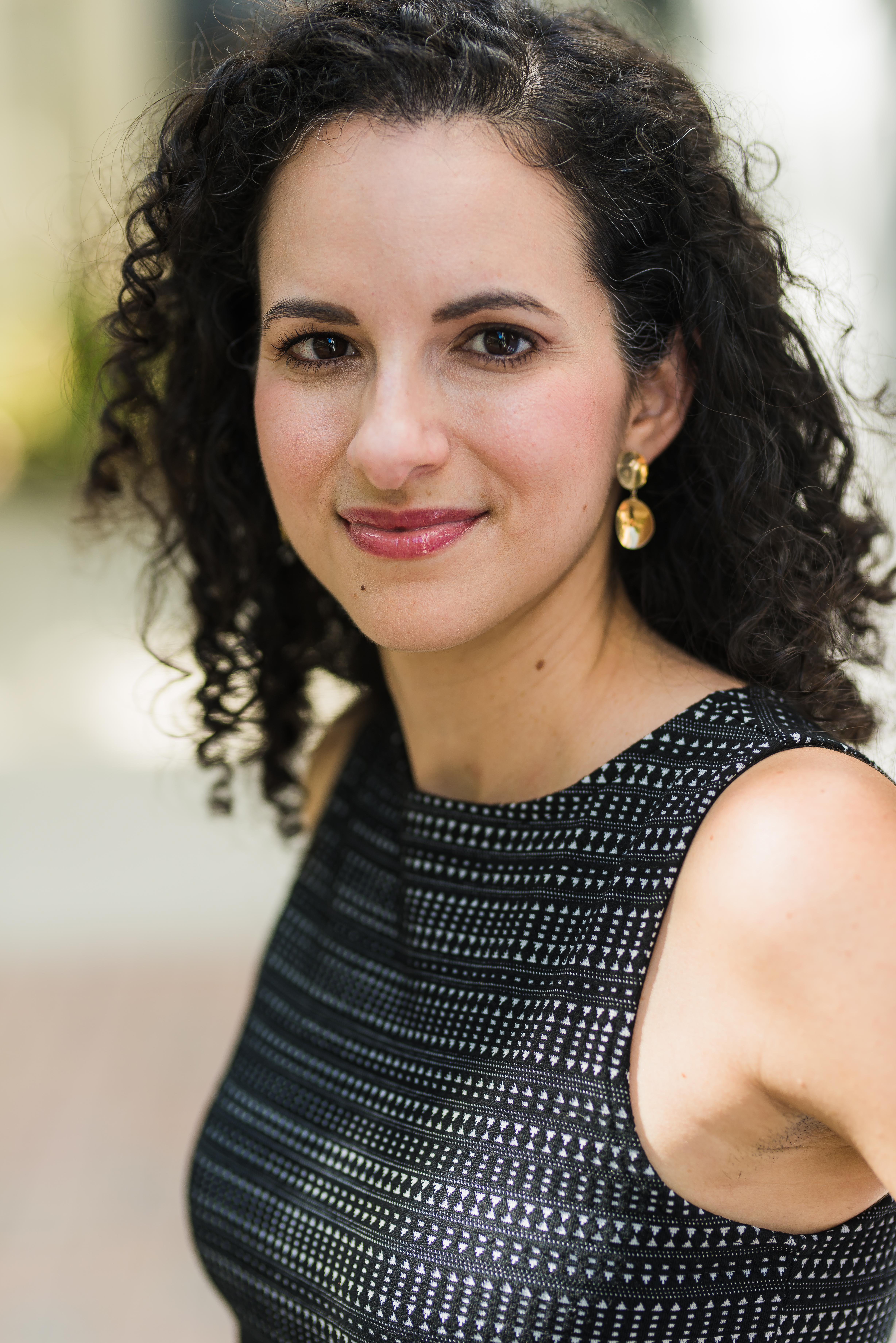
 Marysol Quevedo